Learning in Action · 04
Why I Didn't Start Freelancing Earlier
I learned web design in 7th grade and never feared technology again. But early exposure alone was not enough, continuity was what mattered.
On this page4 sections
Before sharing how I started freelancing as a web developer and digital marketer, it's important to explain why I didn't start earlier, even though I started learning early.
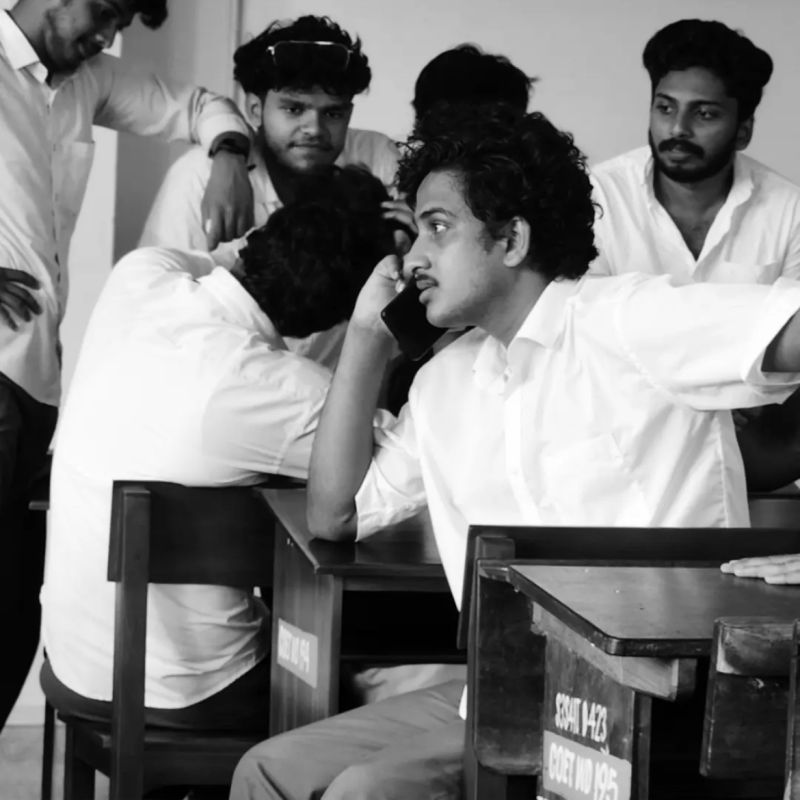
I learned the basics of web design in 7th standard, thanks to my brother Nizamudheen Valliyattu. My strongest technical foundation came from my mentor Vidhya Mattummel.
I began with HTML, CSS, and JS. It was fun, exciting, and creative. Over time, I became particularly strong in CSS, participated in web design competitions during high school, and later started learning PHP. Out of pure curiosity, I even explored how phishing works, only to understand how systems can be exploited, and stopped there. By the end of high school, I discontinued learning for a while.
Starting Early Gave Me an Advantage
Starting early gave me a huge advantage. Because I started young, I never feared technology. Any new language or framework always felt learnable.
That early exposure made me a fast and confident learner, even today. But starting early alone is not enough. Continuity is what converts skill into value.
There was little real progress until I restarted seriously in college.
Taking Web Development Seriously
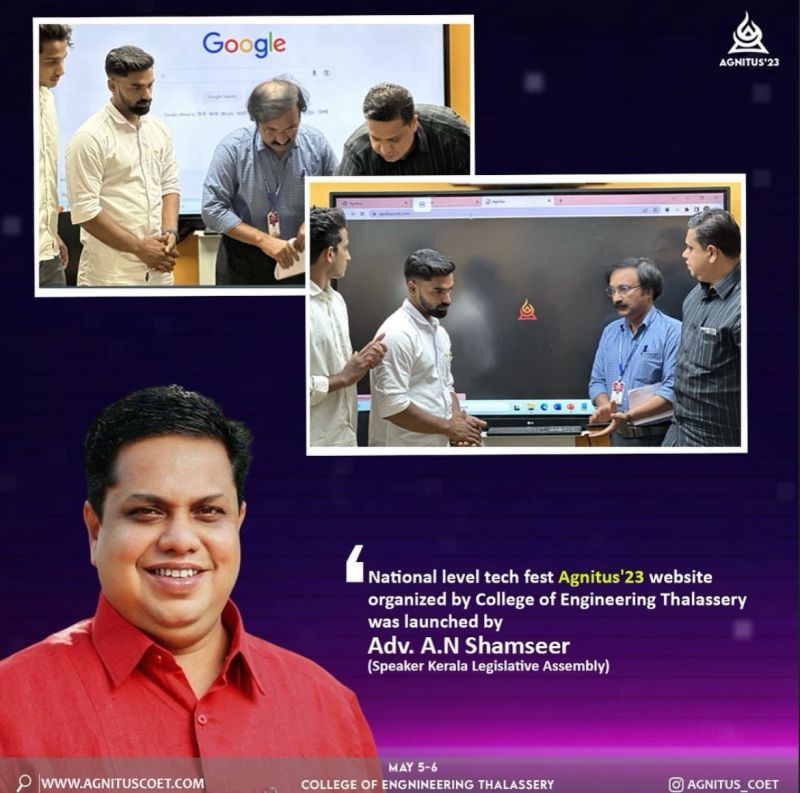
During my BTech first year, I was assigned responsibility for creating and managing the website for my college's arts and tech fest, Agnitus. That pushed me to take web development seriously, not as a hobby, but as real work.
Later, I became head of the web team for the tech and arts fests. These were real, mid-traffic websites with events, registrations, and ticket flows, and I handled a web team under me. It was a rare chance to work on real-world projects with real users — and it worked even for large festivals.
The Question That Changed Everything
Yet, until mid-second year, I never thought of freelancing. Despite having the skills, I had not earned anything from them. That's when another truth became clear: technical skills alone are not enough. Reaching customers, pricing, trust, maintenance, and communication matter just as much as coding.
I started questioning myself:
- Will people choose me?
- How do I price my work?
- How do I maintain websites long-term?
- What if a client wants a complex design?
- How do I find people who actually need websites?
I began with static websites and slowly thought beyond "just a site." Over time, this evolved into dynamic websites, and later into building small software solutions and internal tools — systems meant to solve real problems, not just look good. That's when my thinking shifted from "designing websites" to building functional digital products.
Not About Success Yet
This post is not about success yet. It's about this lesson:
Early exposure builds confidence. Continuity builds depth. Execution turns skill into value.
Next in this series: how I actually started freelancing — the plan, my first client, and how things unfolded.
Originally published on LinkedIn.
Read the series — Learning in Action
Learning in Action index- 01Starting the Learning in Action Series
- 02FundUp: How a Simple Idea Became a Finance Community
- 03Before Freelancing: What Part-Time Jobs Taught Me
- 04Why I Didn't Start Freelancing Earlier (this piece)
- 04From a Simple Idea to 15+ Freelance Clients
- 05Freelancing Lesson: Clarity, Quality, and Trust
- 06Closing the Freelance Chapter: What It Actually Taught Me

Muhammed Nasvih V
Lead DevOps & Cloud Engineer · Jeddah, Saudi Arabia
Writes The Stack Notes — field notes on infrastructure, AI, money and work. Cloud infrastructure, CI/CD, security and automation at Code7 Information Technology.