Services

Software, cloud and IT work, done by the person you talk to

Web applications and internal tools, AI agents wired into systems that already run, cloud infrastructure on AWS and Azure, deployment pipelines, IT and security audits, and cloud bills brought back down. Orattice is the day job; this is the same work taken on directly, for businesses in Saudi Arabia, India and remotely.

Start an enquirySee the work

What I take on

Six things, and they overlap more often than not — an audit turns into a migration, a build turns into a pipeline. Priced per engagement, scoped in writing first.

Business applications and internal tools

Custom applications, internal tools, dashboards and operational platforms — for when spreadsheets, chat threads and manual hand-offs have quietly become the system. Scoped with the people who use it, then built, deployed and kept running.

  • Discovery and a written scope
  • Design, build and deployment
  • A handover you can run without me

20+client projects shipped to production.
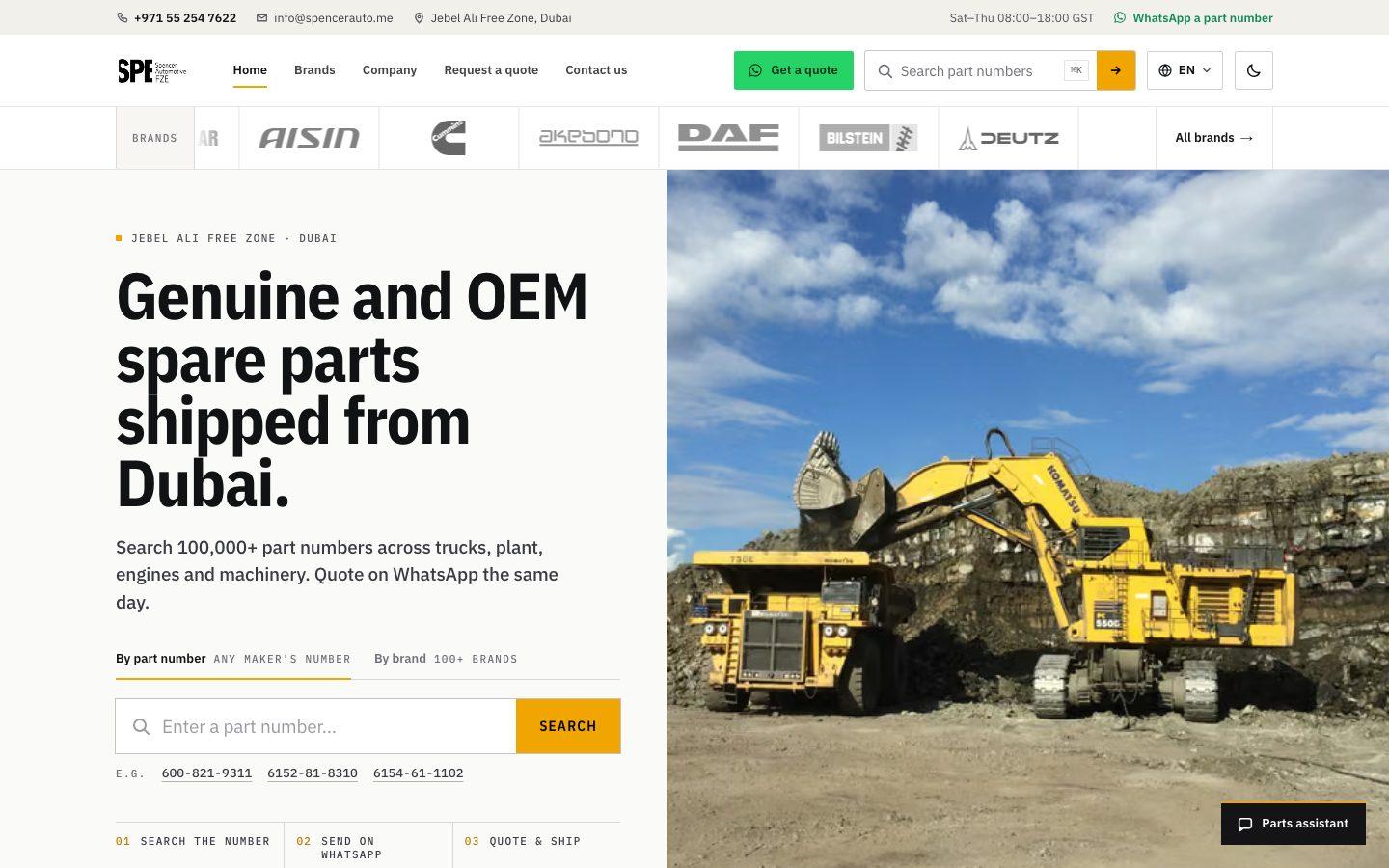
The Spencer Automotive parts catalogue at spencerauto.me
Spencer Automotive, spencerauto.me. 32,000+ genuine parts, searchable.

AI agents and intelligent automation

AI agents and automations connected to the systems a business already runs — support, back-office and document workflows — with the integrations and guardrails around them. For when people spend their day moving data between tools.

  • The workflow mapped before anything is built
  • Integrations into the systems already in use
  • Guardrails, logging and a human step where it matters

AI agents and automation are a core part of what I build at Orattice.

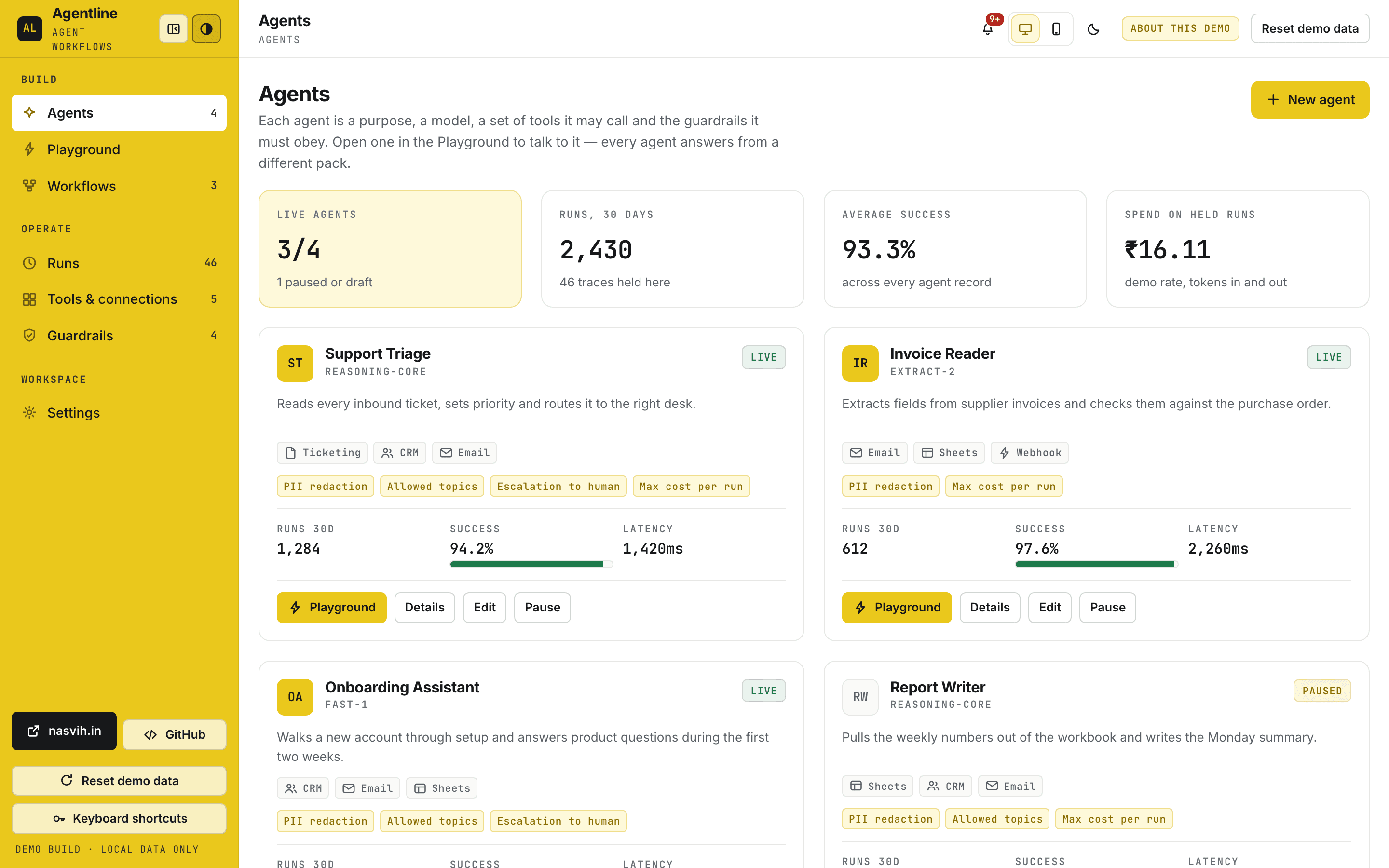
Agentline, an AI agent workflow demo application
Agentline, an AI agent workflow demo. Source public.

Cloud and engineering operations

Infrastructure, deployment pipelines, server management, access control and cloud cost — for when releases are risky, nobody is sure what is running, or the bill keeps growing without a reason.

  • Infrastructure on AWS, Azure or a plain VPS
  • Build and release pipelines, staging to production
  • Access, security and cloud spend reviewed — savings verified before anything is switched off

SAR 3,500a month of avoidable spend removed for a confidential client.

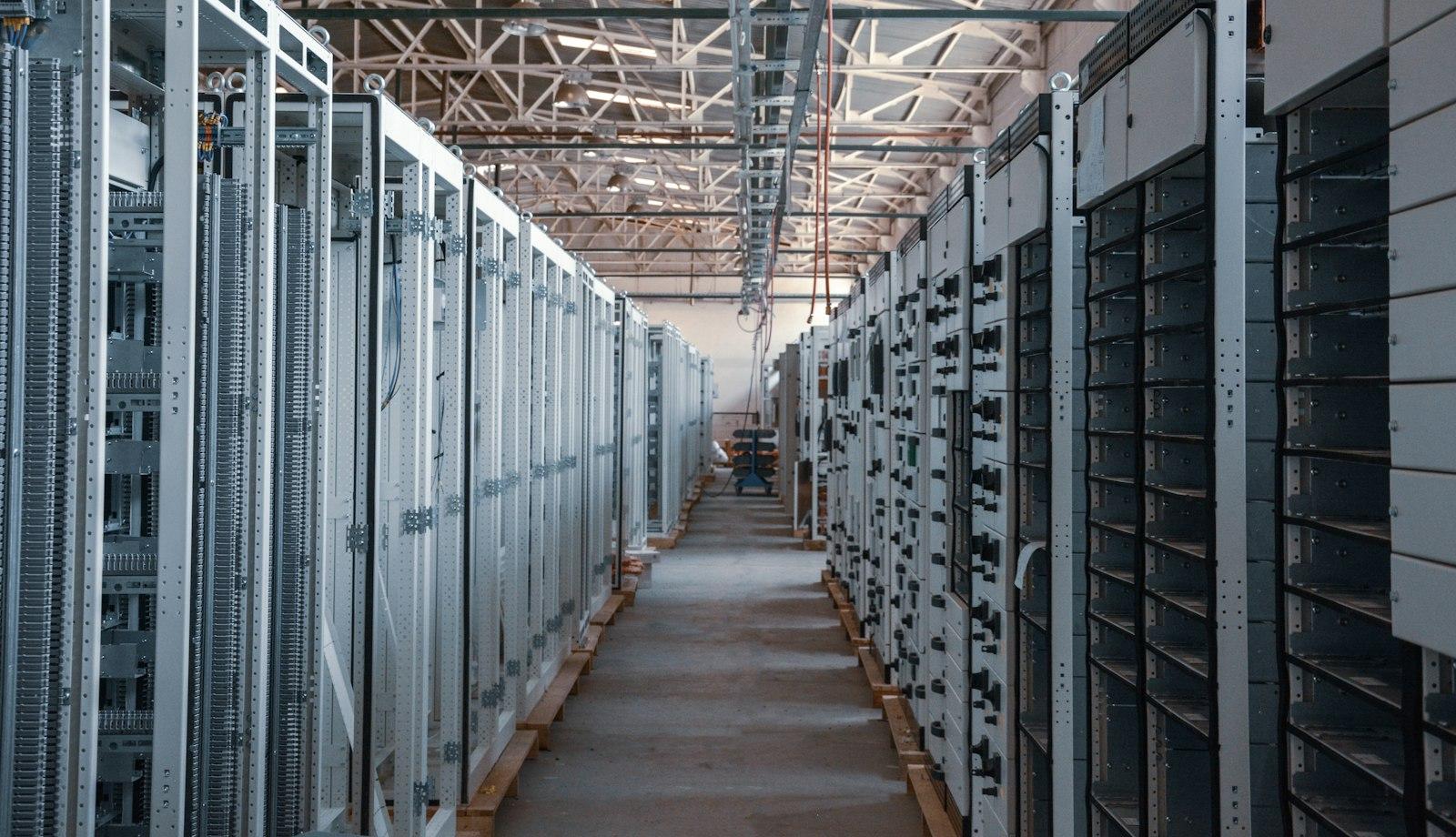
An aisle of server racks in a data centre
Photo: İsmail Enes Ayhan, Unsplash

Technical discovery and problem solving

Discovery, solution planning and implementation support — for when you know something is wrong but not yet what to build. I map the workflow, find the problem worth solving and scope the smallest fix that works.

  • The workflow mapped with the people in it
  • The problem worth solving, written down
  • The smallest build that fixes it, scoped and priced
Deployment code on a monitor
Photo: Joan Gamell, Unsplash

How an engagement runs

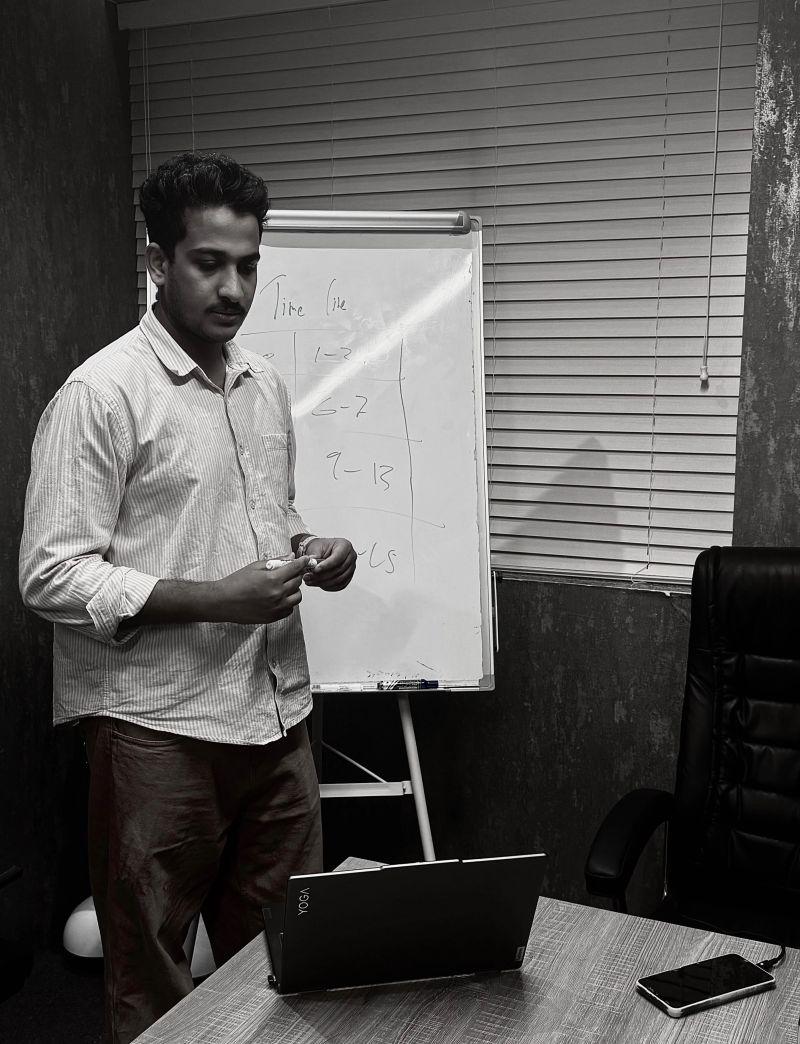
Nasvih at a whiteboard, laying out a project timeline
  1. Tell me what is wrong or what you need built

    A paragraph is enough. I reply myself, usually within a working day, with the questions I need answered.

  2. A written scope and a fixed number

    What is included, what is not, what it costs and how long. Nothing starts before that is agreed.

  3. Build, or audit, in the open

    You see progress as it happens rather than at the end. Findings arrive as they are found, not saved for a reveal.

  4. Handover you can operate

    Documentation, access, runbooks. The point is that it keeps running whether or not I am still on it.

Who this is for

Small businesses without an IT team

You have systems that grew one tool at a time and nobody whose job it is to hold them together. The first engagement is usually an audit, not a build.

Startups shipping their first real product

The application exists and deployment is manual and frightening. Pipelines, environments and monitoring go in before the next hire does.

Teams with developers but no DevOps

Good engineers waiting on infrastructure. I take the cloud, the pipeline and the access model off their plate.

Companies hiring for the role

Some of this work is a job, not a project. If that is what you are reading for, the experience is on the home page and the enquiry form takes it.

Nasvih working on a laptop

Where I work

Two markets, and they are not the same engagement. In Saudi Arabia I am here — same working week, on site in Jeddah. In India I am from Kerala and work on your hours, remotely. Each has its own page because each has its own answers.

The Jeddah corniche and city towers along the Red Sea

Saudi Arabia

I live in Jeddah and work here. That is the practical difference: same working week, same hours, and close enough to be in the room when being in the room is what a problem needs. Lead DevOps Engineer and Head of Engineering at Orattice by day; the same work — cloud, pipelines, IT audits, applications and AI agents — taken on directly for other businesses in the Kingdom.

Working with me from Saudi Arabia

Chinese fishing nets at Fort Kochi at dusk

India

I am from Kerala, and a good part of what I have built was built for Indian businesses — fifteen or so production websites and applications, most of them for founders who needed the thing to work rather than a deck about it. I now work from Jeddah, which puts me two and a half hours behind you and inside your working day.

Working with me from India

Questions people ask first

  • Do you work remotely, or only in Saudi Arabia?

    Both. I am based in Jeddah, Saudi Arabia, work across Saudi Arabia and India, and take remote engagements anywhere the time zones overlap enough to be useful.

  • What does an engagement cost?

    It depends on scope, and I quote a fixed number before anything starts rather than billing an open hourly rate. An audit is the cheapest way to find out what a fix is worth — it ends with a priced list of what to do, which you are free to take elsewhere.

  • How small a job will you take?

    A one-off pipeline, a single migration or a review of one account are all normal. Small first engagements are usually how longer ones start.

  • Who actually does the work?

    I do. There is no team behind this page and nothing is subcontracted — the person who scopes it is the person who builds it and the person you email afterwards.

  • Can I see something you have built?

    Six demo applications are online with their source public, and the flagship client work is described by capability where the client is confidential. All of it is on the projects page.

Start

Say what is wrong, or what you need built. A paragraph is enough to start with — I read every enquiry myself and reply from nasvih.va@gmail.com.

Send an enquiryEmail directly

Photo: Jannis Brandt, Unsplash